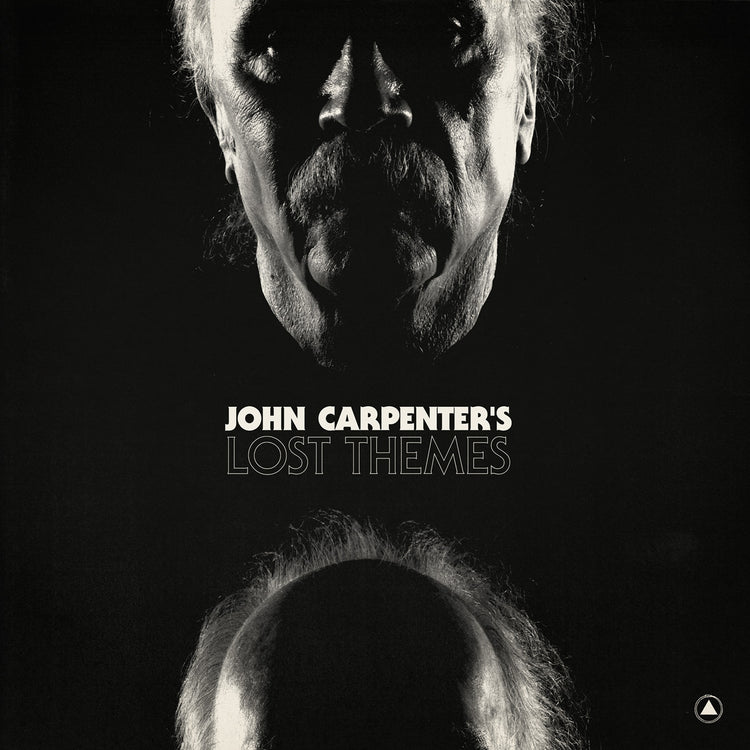
2015 / Original album / SBR123
Lost Themes
Nine tracks introducing the recording partnership.
Explore the release ↗Cover: Sacred Bones Records
Read the study ↑THE SOUND ROOM / SCORES, RECORDS & PERFORMANCE
A pulse in the darkness.
A world beyond the screen.
Enter the scoring rooms, meet the collaborators and follow the records into concert halls and imagined worlds. From Wyman and Howarth to Lost Themes, the modern Halloween scores and Cathedral, explore how the music is made—and what changes when it leaves the picture.
CHOOSE A READING ROUTE
Early studios, Howarth, the later collaborators and new film commissions.
02 / The record & the stageA repertoire comes aliveLost Themes, new performances, touring and remix exchanges.
03 / Beyond the screenA story you can holdCathedral, critical arguments and the differences between editions.
Browse 19 illustrated releases ↓Follow the films ↓Choose a listening comparison ↓
01 / Start here
Choose a route ↑Follow the work from the scoring room to the album, the concert and the page.
A film cue has a job to do at a particular moment. A record can change that cue’s neighbours, duration and balance. A concert gives it bodies, volume and an audience. A new recording may preserve the composition while replacing every sound on the original tape. These differences make Carpenter’s music a particularly rewarding place to explore the distance between a familiar idea and a particular performance.
The routes here begin with three different questions. For the scores, ask who made the sound and what the picture demanded. For Lost Themes, ask how the trio organises music when there is no edited scene to follow. For Cathedral, ask what changes when a story exists but the listener controls the speed of its images. Interviews and release records let us investigate those working methods without confusing them with a fresh listening verdict. [22] [27]
Choose a record from the illustrated shelf, then follow its study and sources. The film map returns you to the eighteen theatrical dossiers; the television route opens another set of musical relationships. The suggested comparisons are invitations to listen closely, with the edition named before the interpretation begins.
02 / Origins & authorship
Choose a route ↑Composition, programming, performance and recording are different contributions.
Tim Greiving’s interviews recover a musical life before the film-score legend: Carpenter and Tommy Lee Wallace played together in Kentucky, and the later Coupe de Villes joined Carpenter, Wallace and Nick Castle. Music was a social activity before it became a recognisable horror signature. [21]
Dan Wyman describes helping Carpenter with the Minimoog during Dark Star and later working at Sound Arts. On Halloween, Carpenter requested sounds while Wyman supplied technical and musical support. The division matters: a memorable keyboard idea and the work of making it sound convincing belong in the same history. Alan Howarth’s partnership begins with Escape from New York, after The Fog; assigning him the earlier film collapses two distinct collaborations. [21]
Carpenter’s filmography also includes scores by Jack Nitzsche for Starman, Shirley Walker for Memoirs of an Invisible Man and Mark Kilian for The Ward. The Thing combines Ennio Morricone’s credited score with Carpenter’s additional material. A film can belong to Carpenter’s cinema while its musical authorship belongs elsewhere. Follow those exceptions into their own dossiers: they enlarge the history rather than interrupt it. [1] [2] [10]
03 / The electronic workshop
Choose a route ↑The studio evolves between Escape from New York and They Live.
Howarth’s FACT interview makes the practical constraints unusually concrete. For Escape from New York he obtained a Linn LM-1 drum machine. Before MIDI, revisiting a late passage could require running the tape from the beginning so the rhythmic clock would lock again. A short correction therefore involved waiting through the music, not instantly moving a cursor. [23]
By They Live, Howarth describes synchronized picture and 24-track tape, with MIDI connecting several instruments. One keyboard gesture could trigger a layered group of synthesizers. This is a change in the organisation of performance as much as a change in sound: the studio could accumulate density without requiring a separate human player for every layer. [23]
The Big Trouble album record gives Howarth specific responsibilities—recording, mixing, sequencing and synthesizer programming. Reading those words beside the interview restores labour that a blanket composer credit cannot explain. It also supplies a better question for a later cue comparison: which features were played, sequenced, layered or reshaped during recording? [43]
04 / Lang, Davies & Walker
Choose a route ↑A guitar solo, an orchestration and a co-composed score are not interchangeable credits.
In the Mouth of Madness credits Carpenter and Jim Lang with the score and production. Lang’s responsibilities include sound design, synthesizer programming and percussion; the recording and mix name Lang and John Vigran at Knobworld. The main title has its own ensemble: Dave Davies on guitar solos, Josh Sklair on guitar, Dennis Belfield on bass and Mike Baird on drums, with Carpenter and Lang on synthesizers. That distinction prevents Davies’s striking presence from swallowing Lang’s work across the rest of the score. [35]
Dave Davies then shares the music credit on Village of the Damned. One credits a main-title performance within a Carpenter–Lang album; the other identifies a composing partnership. The film dossiers retain those project-specific histories. [1] [35]
Carpenter told Dan Goldwasser that on Escape from L.A. he prepared sketches at home and Shirley Walker developed them with musicians. His account describes a fast, collaborative process and follows his admiration for her work on Memoirs. It does not reduce her to an anonymous operator translating a fully finished score. The sketches, orchestration and recorded performance are successive creative acts. [32]
The music of Madness ↗Walker and Carpenter on Escape from L.A. ↗
05 / Vampires & Ghosts of Mars
Choose a route ↑The later metal turn has a history in the films.
For Vampires, Carpenter described two musical functions: an unobtrusive foundation beneath scenes and roadhouse blues for the action-western world. He made guide tracks using rhythm guitar, bass and a drum machine, then brought in players. The account connects musical form to dramatic purpose; “minimalism” did not mean using the same instrumental solution for every film. [32]
The official album names the Texas Toad Lickers: Carpenter, Steve Cropper, Donald “Duck” Dunn, Rick Shlosser, Jeffrey “Skunk” Baxter and Joe and Bruce Robb. It also records Paul Mirkovich’s orchestration and conducting, the Robb brothers’ production and additional contributions from Bucket Baker, Daniel Davies and Cody Carpenter. The younger collaborators’ presence predates Lost Themes by many years. [31]
Ghosts of Mars expands the roster again. The recording credits allocate tracks among Anthrax, Steve Vai, Buckethead, Elliot Easton, Robin Finck and other players; Bruce and Dee Robb handled the mix, and Joe Bishara supplied Pro Tools sound design. Charlie Benante recalls responding to the film on monitors while discussing musical ideas with Carpenter. The musicians developed the score together against the images. [33] [34]
Those records complicate the publicity shorthand surrounding Cathedral. Its heavier sound may be a new emphasis for the current trio’s original albums, but guitar-driven scoring and metal musicians already belong to Carpenter’s work. These collaborations place Cathedral within a long history of Carpenter working with rock musicians. [33]
06 / The first two albums
Choose a route ↑The title describes possibility, not a cache of rejected film cues.
The 2015 Lost Themes presents nine original pieces, including “Vortex,” “Obsidian” and “Night.” It invites imagined pictures rather than identifying films from which the tracks were removed. This makes the record a change of working conditions: the musicians can develop an idea without waiting for a character to enter a room or a scene to finish. [3]
Paul Tingen’s 2016 interviews describe the move to Logic Pro, aided by Cody. The first album involved remote exchange while Cody lived in Japan; the second brought the trio together. Editing and rearrangement were part of composition. [22]
Lost Themes II arrived in 2016 with eleven core tracks and a broader guitar presence. The label’s description of “Angel’s Asylum” follows a melody passing from synthesizer to acoustic guitar. Read as a production proposition, that is a useful example of how a piece can change colour while retaining an idea. [4]
The photograph shows Davies with guitar, John at a keyboard and Cody holding bass: one arrangement within a flexible partnership. [22]
07 / Alive After Death & Noir
Choose a route ↑Experience flows between original albums, touring and commissioned scores.
Lost Themes III: Alive After Death followed in 2021, after the first concert run, Anthology and the 2018 Halloween score. Carpenter describes beginning with a theme, bass line or sustained sound and adding layers through the trio’s shared understanding. The album’s ten-track sequence includes “Skeleton,” linking it to the preceding standalone single, and ends with “Carpathian Darkness.” [5] [16]
Lost Themes IV: Noir, released in 2024, gives the imaginary movies a more specific genre. The label describes the noir influence through heavy guitar riffs and the trio’s own musical vocabulary. Daniel Davies describes an emotional connection. Titles including “He Walks by Night” and “Shadows Have a Thousand Eyes” act as invitations into a cinematic vocabulary. [6]
Carpenter’s description of the partnership assigns Davies the appetite for new sounds, Cody musical fluency, and himself experience. It helps explain why the series should be approached as ongoing collaboration: recognisability can be the starting condition for experimentation rather than its opposite. [6]
08 / Anthology I & II
Choose a route ↑New performances carry old compositions into the present.
Anthology: Movie Themes 1974–1998, released in 2017, contains thirteen newly recorded themes by John, Cody and Daniel. It includes Morricone’s The Thing and Nitzsche’s Starman alongside the Carpenter compositions. The artist’s own release page identifies Daniel taking the In the Mouth of Madness guitar part associated with his father Dave. The albums give the earlier music new performances and arrangements. [8]
Anthology II in 2023 moves beyond a parade of main titles. Its fourteen selections include “Julie’s Dead,” “Love at a Distance” and “Walk to the Lighthouse,” as well as material from Halloween II and III. These selections invite attention to characters, transitions and secondary cues. A concert and album repertoire can bring smaller dramatic pieces into prominence. [9]
The album titles name the period represented by the films, not the year in which these performances were recorded. Keep both dates in view. The composition’s history remains attached to its original collaborators even when a later trio gives it a new arrangement and sound. [8] [9]
09 / A release-history problem
Choose a route ↑The Thing supplies a useful test of catalogue language.
The 2020 Lost Cues: The Thing release explicitly describes new recordings. According to the label, the original additional-cue masters were unavailable, and Carpenter agreed in 2019 to perform the material again with Cody and Daniel. The release returns to the compositions through new recordings. [10]
Anthology II later lists “Burn It,” “Fuchs” and “To Mac’s Shack” and calls the Thing material previously unreleased. That wording needs qualification beside the earlier Lost Cues announcement. At minimum, the compositions already had a documented release route before 2023. [10] [9]
For listeners, this produces three separate paths: Morricone’s score; Carpenter’s additional material in the film; and the later trio recordings. The Thing dossier investigates their relationship within the picture. Here the distinction protects the record shelf from turning three different musical objects into one supposedly definitive soundtrack. [10]
10 / Returning to Halloween
Choose a route ↑The trio’s own breakdown is more revealing than the word “retro.”
The 2018 Halloween score serves David Gordon Green’s film. Its official account describes the trio working to his requested duration, emotional direction and timing. Familiar musical material now has to meet another director’s images. Their instruments include analogue synthesizers, software and treated guitar. [11]
In Song Exploder’s official transcript, the musicians describe retaining a clear piano at the centre, using an Oberheim OB-6, double-tracking synthesizer performances and pitching clock sounds for percussion. Davies explains that small differences between takes create movement; he also describes processing a struck box into a drum sound. Their discussion links the new arrangement to repeated performance of the theme on tour. [24]
That account suggests a precise listening route: attend to the stable piano figure, then the changing width, attack and texture around it. The musicians describe a continuing melodic identity shaped by changing performances and production choices. [24]
Halloween Kills credits Davies and John Spiker with mixing and Spiker with mastering. Halloween Ends was recorded across Carpenter’s and Davies’s studios, with music tracked to individual scenes. These credits reveal another layer of authorship after composition: a soundtrack album is also a sequence and a mix prepared for listening outside the film. [12] [13]
11 / A score for another director
Choose a route ↑The 2022 Firestarter belongs beside the trilogy, with its own production history.
Thomas told Substream that he initially suggested Carpenter as a wish. Through Blumhouse, the possibility became a collaboration with the trio. Asked for a musical reference, Thomas pointed to Christine; he describes weekend Zoom sessions reviewing footage and music. The reference helped establish a direction, but the process still involved shaping a score around this film. [30]
The official soundtrack credits all three musicians with performance and recording, Davies and Spiker with the mix, and Spiker with mastering. Keeping those roles visible avoids making the record sound like a solitary composer’s return. The work continues the same partnership while answering a separate filmmaker’s brief. [14]
It also matters which Firestarter is being discussed. The score accompanies Keith Thomas’s 2022 adaptation. On a shelf mixing new scores, rerecordings and expanded editions, the film year is an essential part of the title’s meaning. [14]
12 / The concert
Choose a route ↑The 2016 concerts combined a rock band with images from the films.
The 2016 touring band added John Spiker on bass, John Konesky on guitar and Scott Seiver on drums. Sound On Sound describes software keyboards, triggered sequences and arrangements adapted for the players. Live performance incorporated programmed elements. [22]
Gerrit Feenstra’s account of the June 14, 2016 Seattle Paramount show treats the mixture of film themes and Lost Themes pieces as a career retrospective. His enthusiasm is tied to the encounter between the recognisable music, its maker and a room of listeners. [28]
In London, Jerry Ewing describes film clips above the band and an audience reacting to the combined sights and sounds. He also finds the Lost Themes selections effective without accompanying imagery. That distinction is revealing: the show alternates between remembered cinema and music that asks listeners to supply their own images. [29]
The standalone “Skeleton” / “Unclean Spirit” release in 2020 marks another switch of context. Carpenter’s release statement welcomes freedom from a locked picture while acknowledging the craft developed during Halloween. Album-making, scoring and performing feed one another; they are not sealed phases of a career. [16]
13 / Exchange & influence
Choose a route ↑Remixes provide concrete evidence of a relationship that “influential” can leave vague.
Lost Themes Remixed assembles eight reinterpretations in 2015, including Zola Jesus with Dean Hurley, Prurient, Silent Servant, Uniform, Blanck Mass, JG Thirlwell, ohGr and Bill Kouligas. Some had appeared in the digital deluxe package; the remix album brought this selection to vinyl. The title therefore marks both a creative response and a particular release configuration. [15]
The Reznor and Ross Halloween single pairs their treatment with Carpenter’s 2017 Anthology version. Its reverse is not the original 1978 film master. This makes the physical record an unusually clear comparison object: two later approaches to a familiar composition sit on opposite sides. [39]
The 2021 CHVRCHES exchange runs in both directions. The label reports that the band approached Carpenter’s team, the trio remixed “Good Girls,” and CHVRCHES then remixed “Turning the Bones.” This is a working conversation between generations, not merely a younger act being placed beneath a predecessor’s reputation. The illustrated single belongs in the catalogue as a remix collaboration rather than a new Carpenter album. [38]
GUNSHIP’s artist-published video credits place Carpenter in the Tech Noir collaborations. The same care that separates a score from a soundtrack also separates an influence, a remix and a performed contribution. [42]
14 / Beyond the directed features
Choose a route ↑Television, songs and short commissions keep the catalogue porous.
The official career register identifies the Zoo main-title theme in 2015. It also preserves early music for The Resurrection of Broncho Billy and the Halloween II and III scores. The eighteen directed features are consequently an entrance to the music, not its outer boundary. The television and early-work collection follows those neighbouring histories. [2]
The Coupe de Villes make another kind of object: a band song. The official Big Trouble in Little China music page lists their title track and video beside the score releases. Greiving’s participant interviews describe the private Waiting Out the Eighties album and the trio’s playful activity. That history should be preserved without treating an online upload as proof of a particular authorised pressing. [43] [21]
Studio 666’s distributor notes credit its theme to John Carpenter, Cody Carpenter and Daniel Davies, while Roy Mayorga receives the score credit. The distinction is small on a credit list and large in a music history. “Carpenter did the music” would erase the difference between an opening contribution and the full dramatic score. [44]
The television and early-work collection ↗Cigarette Burns ↗Pro-Life ↗Suburban Screams ↗
15 / Music & comics
Choose a route ↑The page has its own tempo.
Cathedral’s fourteen-track album arrived on 7 August 2026. The label describes a dream behind the project and track prompts printed in the packaging to guide a reading of the graphic novel. Its deluxe edition also adds live Belasco recordings of “Lord of the Underground” and “Last Rites.” The studio album, companion book and bonus performances are related but distinct objects. [7]
In the Associated Press interview, Carpenter explains the graphic novel as a practical alternative to an enormously expensive imagined film. [26]
Storm King’s credits make the visual collaboration specific. John Carpenter, Sandy King and Sean Sobczak are the writers; Federico De Luca supplies art, Luis Guaragna the underworld art, Sian Mandrake its colours, and Marshall Dillon the lettering. The publisher’s exclusive cover is by Francesco Francavilla. [25]
Cody describes Cathedral as a third working situation: unlike Lost Themes, it has a narrative; unlike a film score, it has no locked moving image. Most of the production brought him physically together with the others in Los Angeles. His examples vary by track: guitar ideas initiated “Lord of the Underground,” while a keyboard melody led “The Mapmaker.” He explicitly separates his musical involvement from making the graphic novel. [27]
The distinction changes what a listening guide should promise. Printed prompts can align a passage with a musical idea, but every reader turns pages at a different speed. A complete book-and-album comparison can ask where the association is suggested and where the reader supplies it. The surviving public record already establishes the project’s most interesting formal move: a score with a story, but without a fixed screen clock. [27] [7]
16 / Critics & expectations
Choose a route ↑The disagreement is part of the musical history.
Aaron Leitko’s February 2015 Pitchfork review argues that Lost Themes becomes less distinctive when denser arrangements replace the space and restraint of the film cues. He recognises the familiar musical vocabulary but questions the results when the image no longer imposes limits. That is a criticism of form and production, not simply resistance to a filmmaker making a record. [19]
Gerrit Feenstra’s earlier KEXP review hears more opportunity in the same change. He singles out “Vortex,” “Night” and “Purgatory,” while registering a dated quality in part of “Domain.” Put beside Leitko, his response gives the debut a productive argument: should an independent Carpenter album preserve the old cues’ emptiness or exploit the freedom to develop them? [20]
The concert reviews shift the question again. Seattle’s retrospective excitement and Ewing’s London account value the event of performance, with audience recognition becoming part of the experience. A record’s relationship to an absent film is different when a concert screen restores selected images and the musicians share the room. [28] [29]
In 2026, David Nobakht’s Welsh Buzz review finds Cathedral effective without the comic and hears industrial and gothic associations in “Lord of the Underground.” RIFF’s American review also treats the album as capable of standing apart from its story, while describing movement between metal, orchestral drama and electronic atmosphere. The review awards the album 7/10. RIFF’s assertion that metal is entirely new to Carpenter is contradicted by the earlier film work. [40] [41]
Across these responses, the recurring issue is not whether the music can conjure pictures. It is who supplies the pictures and how much structure the music needs when their duration is no longer fixed. That question connects the debut, the concert arrangements and Cathedral more usefully than a simple story of belated acclaim.
17 / The record as an object
Choose a route ↑Extra music, new artwork and new performance describe different changes.
The 2025 Lost Themes anniversary edition adds Greg Ruth artwork and a seven-inch containing “Cruisin’ with Mr. Scratch” and “Dominator,” described by the label as material from the original sessions. Its later release date does not make those tracks newly composed in 2025. [37]
Halloween: The Complete Expanded Collection, issued in October 2025, gathers the three Green-film scores in six-LP and three-CD forms. Sacred Bones advertises 121 tracks, including 35 previously unreleased, with Chris Bilheimer artwork and Brad Sanders’s liner notes. [36]
Sacred Bones announces Lost Themes II: Expanded for 30 October 2026. It pairs Randy Ortiz artwork with the original album and a “Real Xeno” bonus seven-inch, whose reverse carries an etching. [17]
A colour variant may change the physical object without changing the music. A remaster may change presentation without supplying another performance. An expanded album may restore cues while rearranging their order for home listening.
RECORD SHELF / 2015–2026
Nineteen selected releases: original albums, new performances, scores, remixes and expanded editions. Follow the sleeves to the label’s track lists and listening options, or jump into the related study.
2015 / Original album / SBR123
Nine tracks introducing the recording partnership.
Explore the release ↗Cover: Sacred Bones Records
Read the study ↑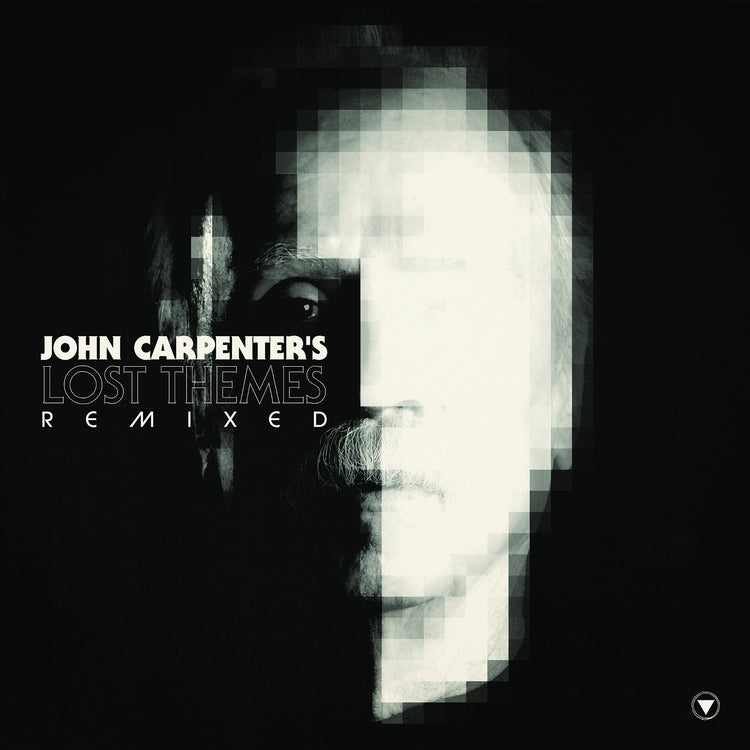
2015 / Remix album / SBR139
Eight reinterpretations by guest artists.
Explore the release ↗Cover: Sacred Bones Records
Read the study ↑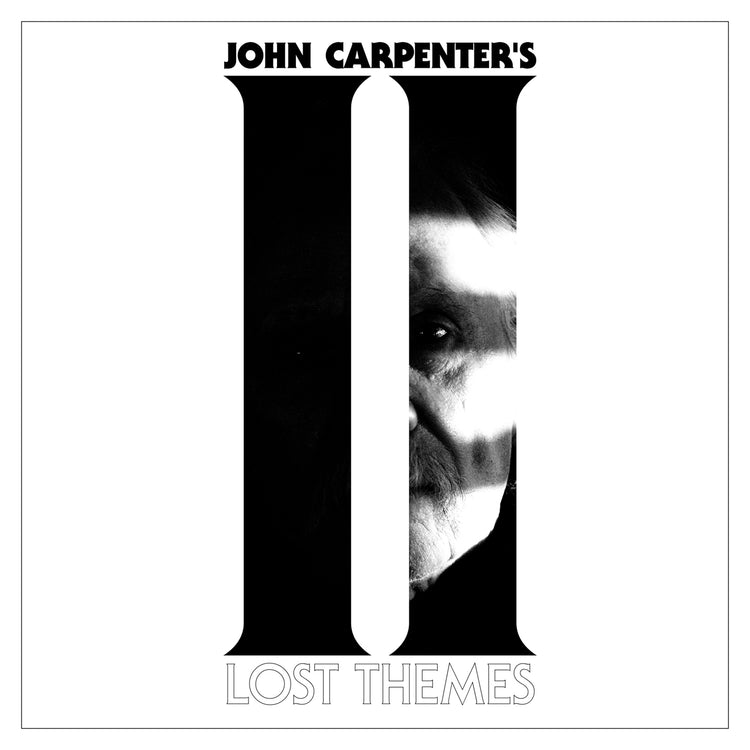
2016 / Original album / SBR150
The second album, alongside the move into touring.
Explore the release ↗Cover: Sacred Bones Records
Read the study ↑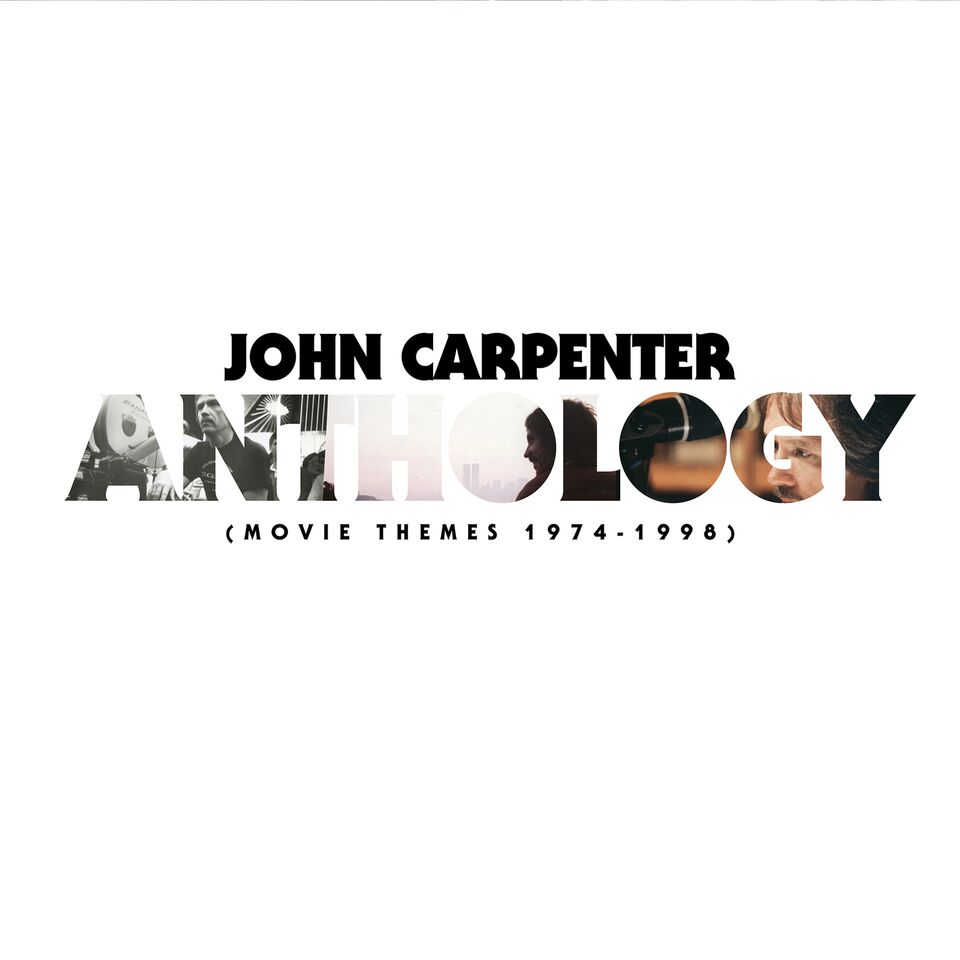
2017 / New recordings
Thirteen themes revisited by the trio.
Explore the release ↗Cover: John Carpenter’s official site
Read the study ↑
2018 / Physical single / SBR190
Their treatment, paired with the 2017 Anthology performance.
Explore the release ↗Cover: Sacred Bones Records
Read the study ↑
2018 / Film score
For David Gordon Green’s film.
Explore the release ↗Cover: John Carpenter’s official site
Read the study ↑
2020 / New recordings / SBR241
Carpenter’s additional cues performed again.
Explore the release ↗Cover: Sacred Bones Records
Read the study ↑
2020 / Single / SBR254
A standalone two-track release.
Explore the release ↗Cover: Sacred Bones Records
Read the study ↑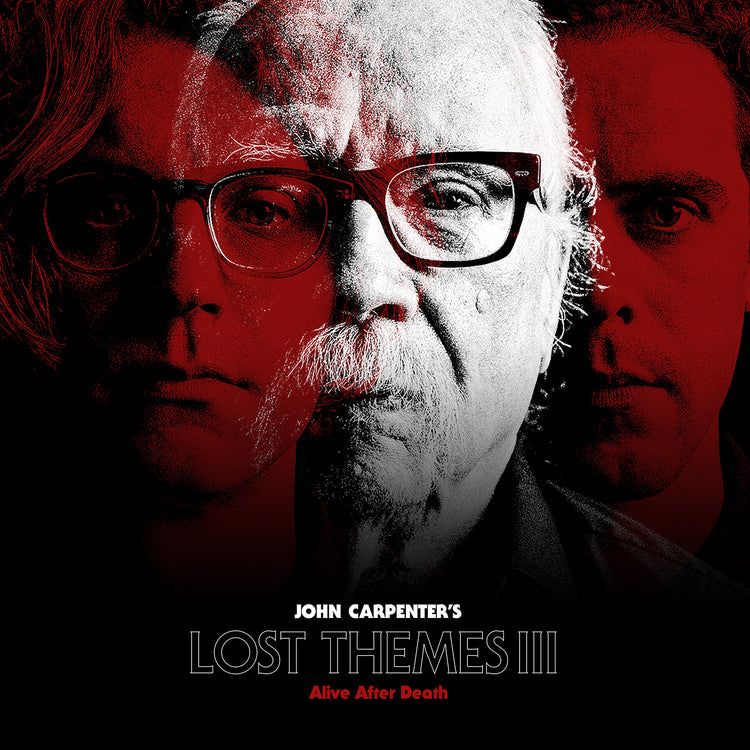
2021 / Original album / SBR265
Ten tracks of original music.
Explore the release ↗Cover: Sacred Bones Records
Read the study ↑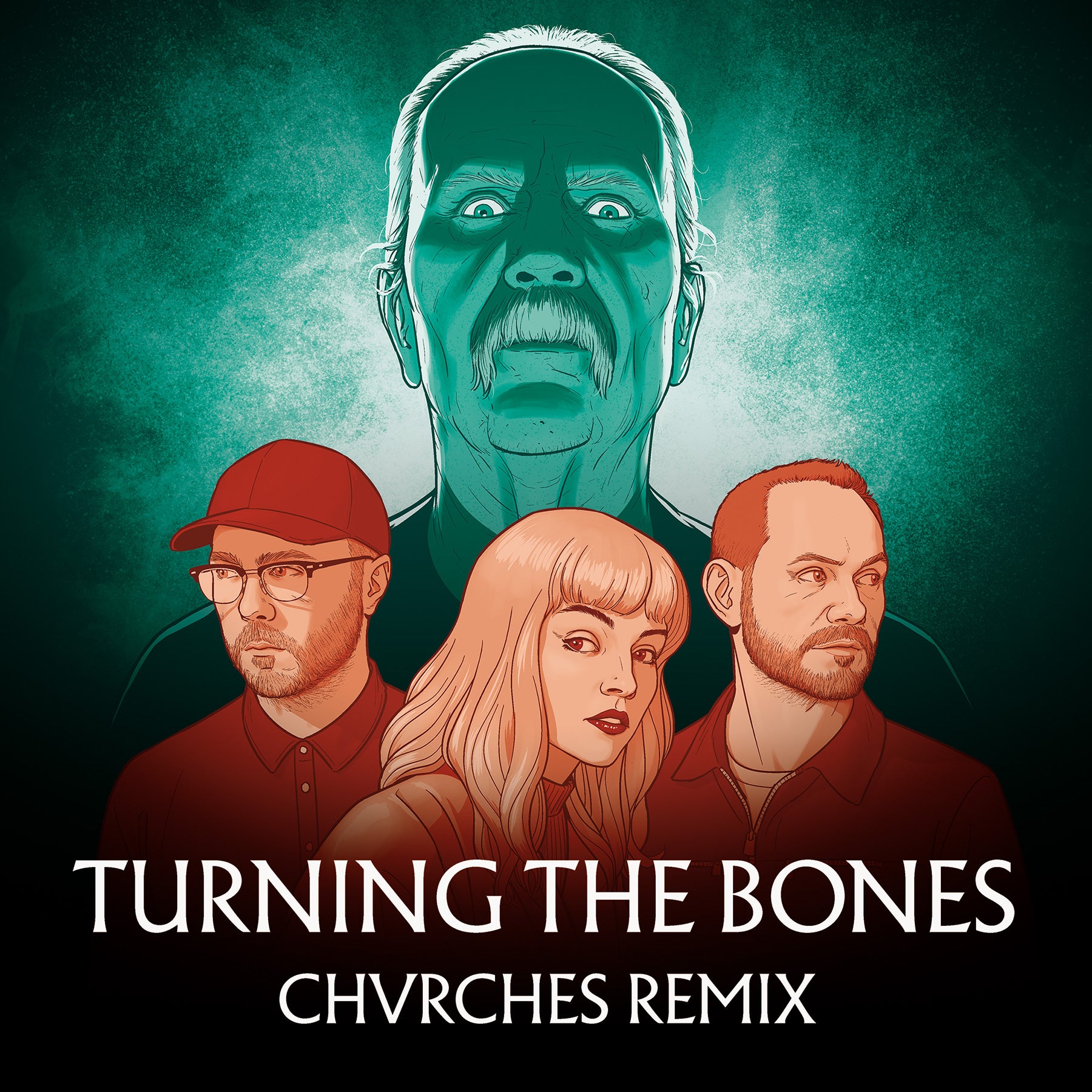
2021 / Remix exchange / SBR290
CHVRCHES and the Carpenter trio remix one another.
Explore the release ↗Cover: Sacred Bones Records
Read the study ↑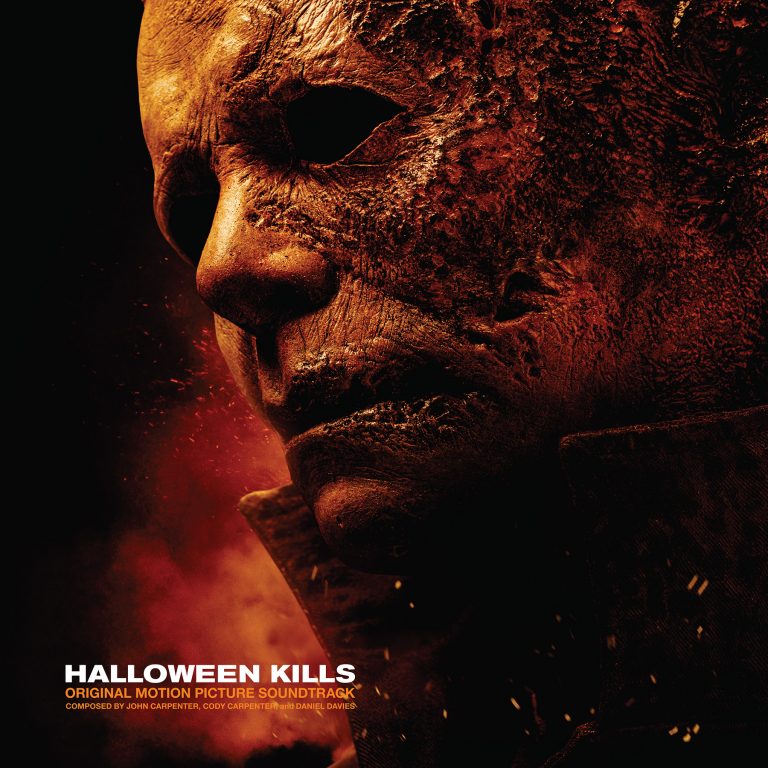
2021 / Film score
Second score in the Green trilogy.
Explore the release ↗Cover: John Carpenter’s official site
Read the study ↑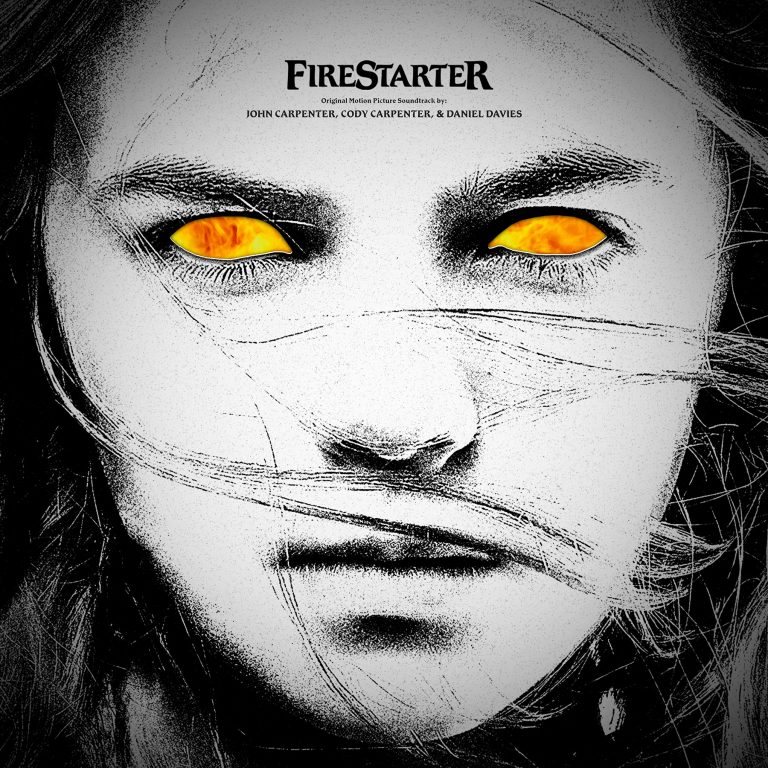
2022 / Film score
For Keith Thomas’s remake.
Explore the release ↗Cover: John Carpenter’s official site
Read the study ↑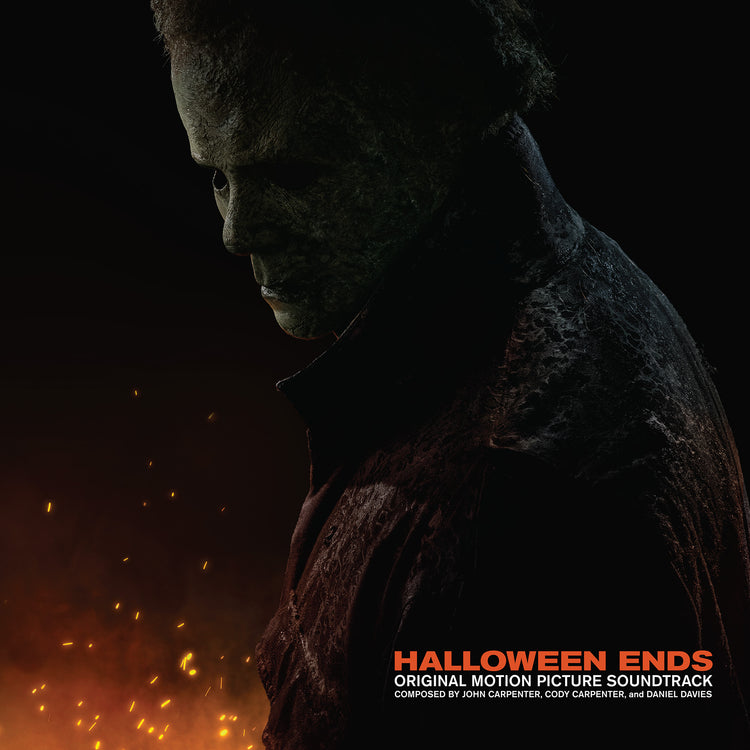
2022 / Film score / SBR315
Third score in the Green trilogy.
Explore the release ↗Cover: Sacred Bones Records
Read the study ↑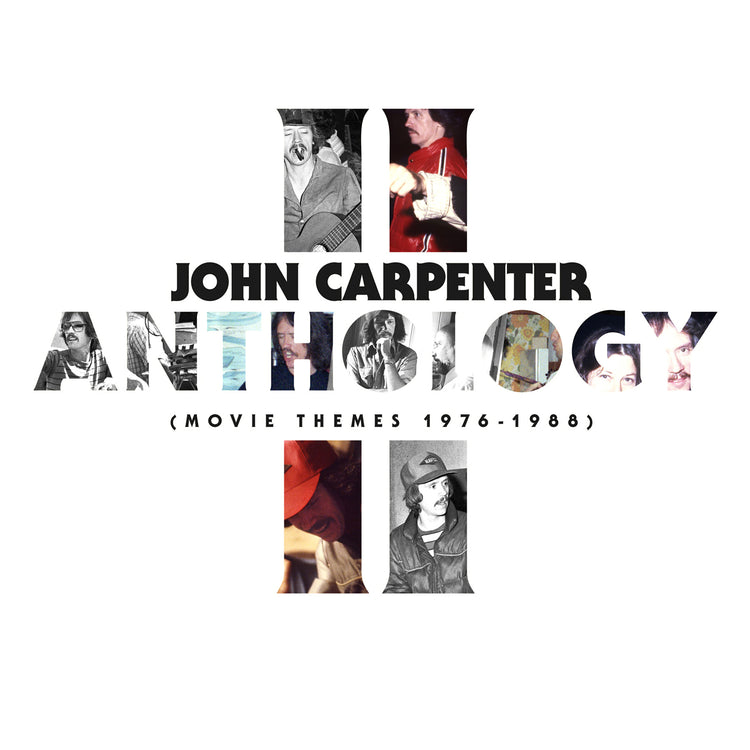
2023 / New recordings / SBR324
Fourteen further selections from the film repertoire.
Explore the release ↗Cover: Sacred Bones Records
Read the study ↑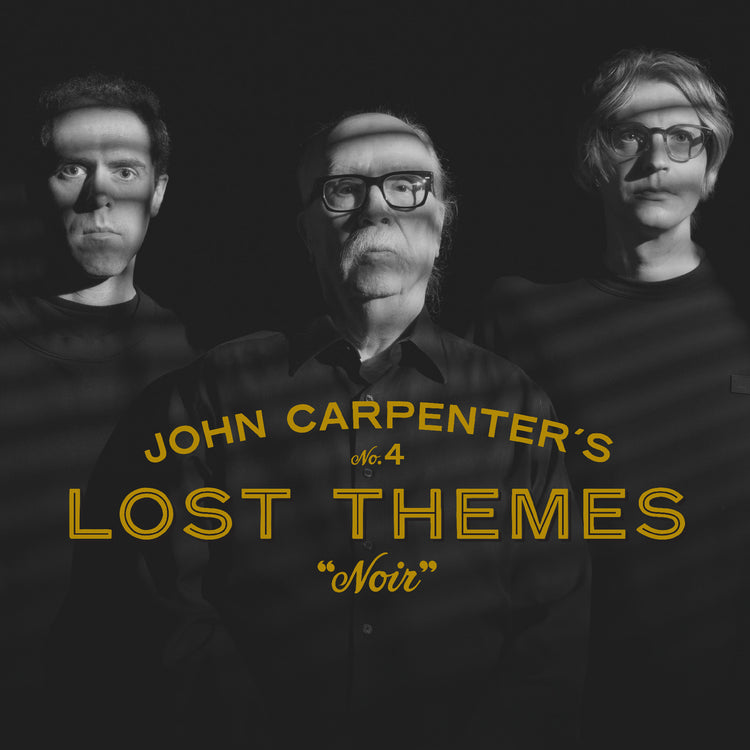
2024 / Original album / SBR336
Ten tracks shaped by a noir premise.
Explore the release ↗Cover: Sacred Bones Records
Read the study ↑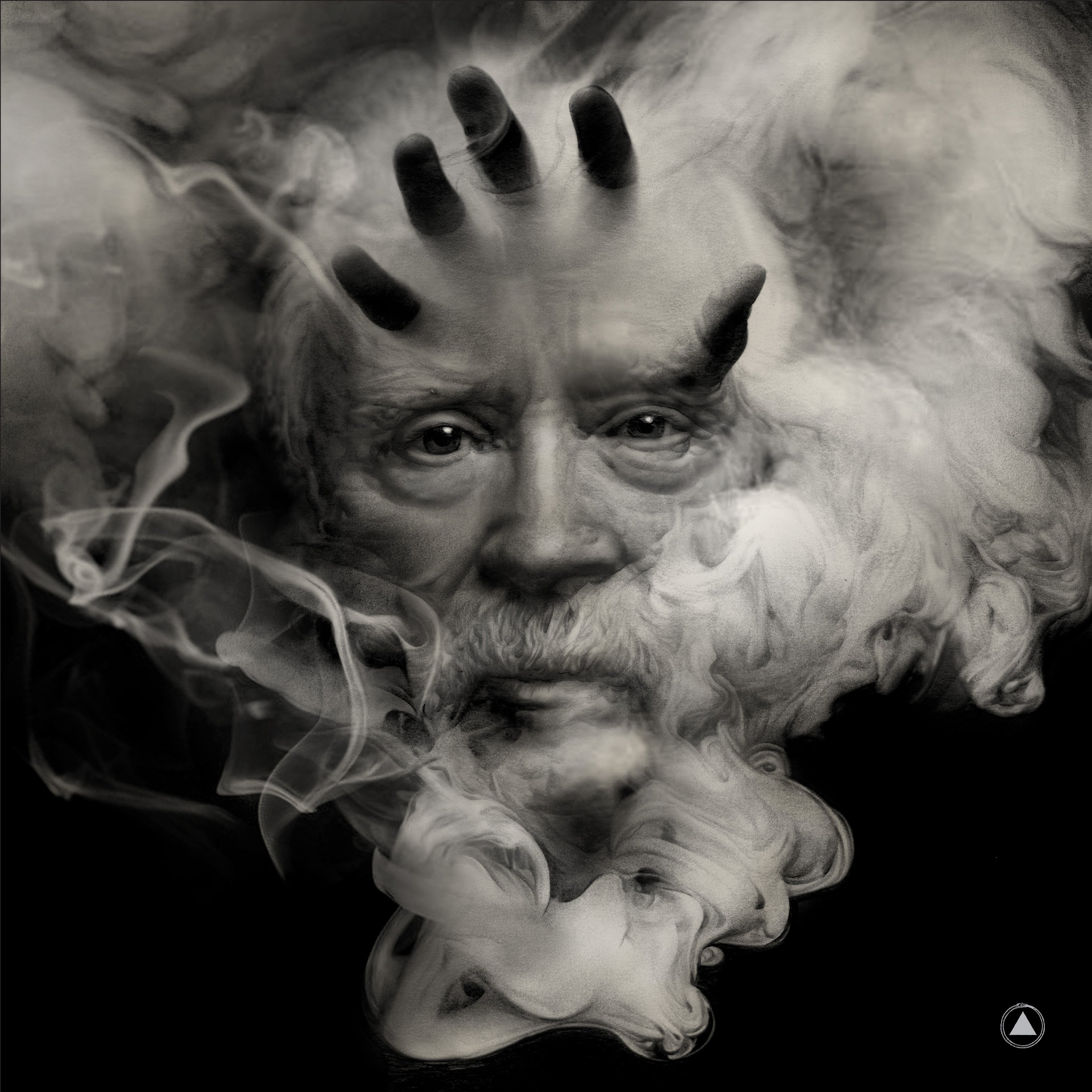
2025 / Expanded edition / SBR369
Greg Ruth artwork and two original-session bonus tracks.
Explore the release ↗Cover: Sacred Bones Records
Read the study ↑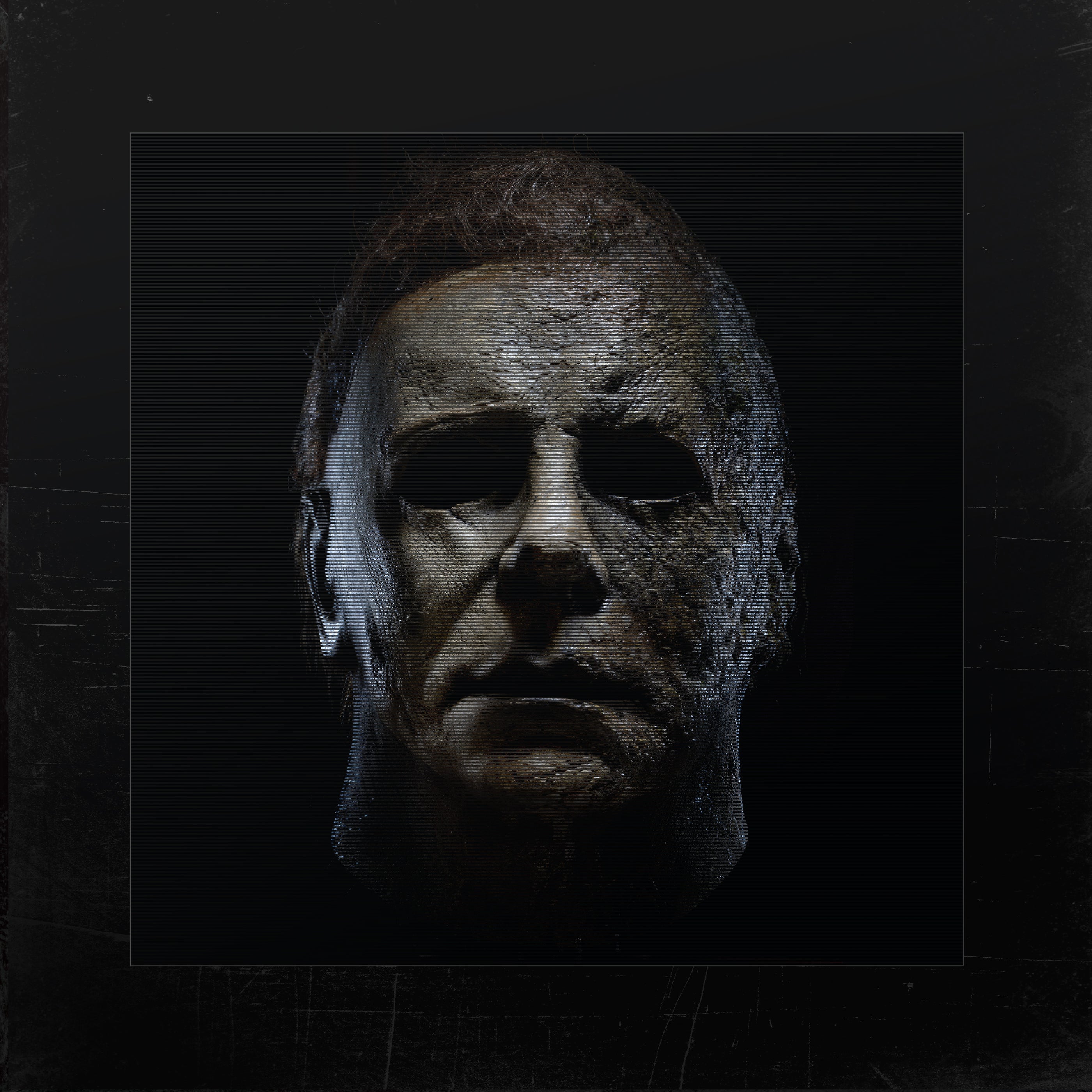
2025 / Expanded collection / SBR348
The three Green-film scores in expanded form.
Explore the release ↗Cover: Sacred Bones Records
Read the study ↑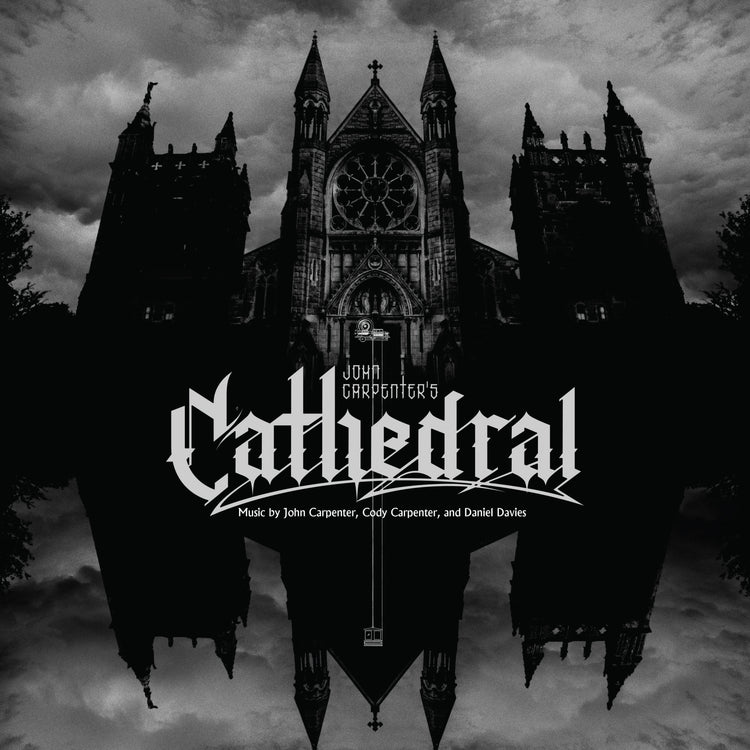
2026 / Album / SBR381
Released 7 August; fourteen tracks accompanying the graphic novel.
Explore the release ↗Cover: Sacred Bones Records
Read the study ↑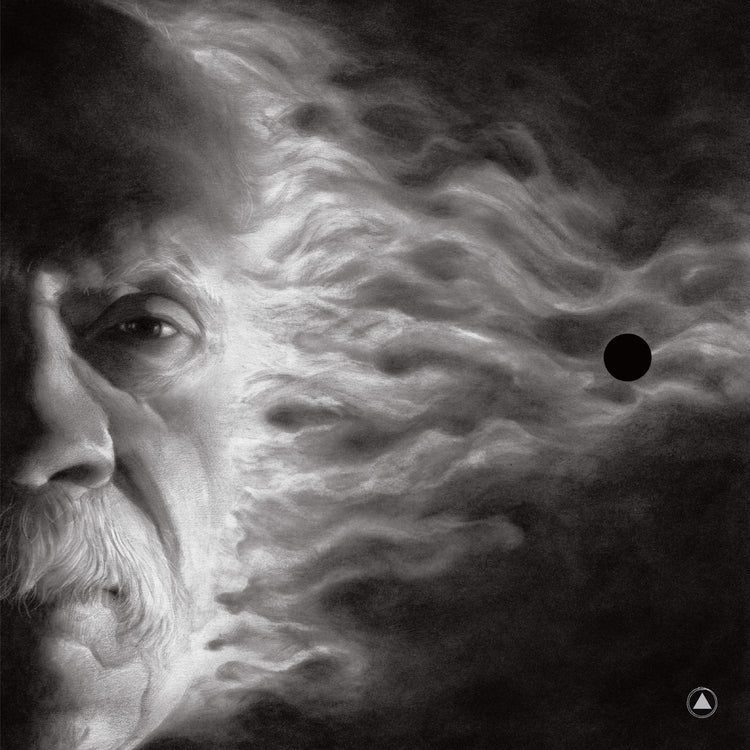
30 OCT 2026 / Forthcoming edition / SBR385
Announced release; includes the Real Xeno bonus seven-inch.
Explore the release ↗Cover: Sacred Bones Records
Read the study ↑LISTEN WITH A QUESTION
These routes identify editions and questions for close listening.
Original film/score and Green-film score
Keep the piano figure in mind; compare the surrounding percussion, width and guitar treatment. The musicians explain their choices in Song Exploder. [24]
Film material, 2020 release and 2023 anthology
Separate composition from performance. Test the later recordings before deciding whether their shared titles mean identical audio. [10]
2015 and 2016 original albums
Follow the change from remote exchange to shared-room work; ask how editing and guitar arrangements organise the longer pieces. [22]
2026 album, complete prompts and graphic novel
Follow the printed track associations and your own reading pace. Note where the music’s duration and the page-turning diverge. [7]
FILM BY FILM
Selected music credits for all eighteen theatrical features. Each dossier carries its own sources and collaborators.
John Carpenter
John Carpenter
John Carpenter
John Carpenter
John Carpenter and Alan Howarth
Ennio Morricone; additional material by Carpenter
John Carpenter and Alan Howarth
Jack Nitzsche
John Carpenter and Alan Howarth
John Carpenter in association with Alan Howarth
John Carpenter and Alan Howarth
Shirley Walker
John Carpenter and Jim Lang
John Carpenter and Dave Davies
John Carpenter and Shirley Walker
John Carpenter
John Carpenter; ensemble including Anthrax
Mark Kilian
Selected composing and performing relationships; follow each film for its full context. Music sources ↑
SOURCE LIBRARY / REVIEWED 18 OCTOBER 2026
Explore the interviews, production histories, contemporary reviews and edition records behind the collection.
Read with: Origins & Authorship · Lang, Davies & Walker
Retained official career register, including the Zoo main-title theme and student work.
Read with: Origins & Authorship · Beyond The Directed Features
2015 original album; catalogue number, track list and production account.
Read with: The First Two Albums
2016 album and trio collaboration.
Read with: The First Two Albums
2021 album, working method and 2016 touring history.
Read with: Alive After Death & Noir
2024 record and the trio’s account of its noir influence.
Read with: Alive After Death & Noir
Released 7 August 2026; album and graphic-novel relationship.
Read with: Music & Comics
2017 re-recordings by John Carpenter, Cody Carpenter and Daniel Davies.
Read with: Anthology I & Ii
Newly recorded 2023 anthology and fourteen-track list. Its “previously unreleased” wording for the Thing cues is against the documented 2020 Lost Cues release.
Read with: Anthology I & Ii · A Release-History Problem
2020 re-recordings of Carpenter’s additional cues.
Read with: Origins & Authorship · A Release-History Problem
2018 trio score, instruments and working to Green’s timing.
Read with: Returning To Halloween
2021 score and recording credits.
Read with: Returning To Halloween
2022 score; studio process and original release, distinct from later expanded editions.
Read with: Returning To Halloween
2022 film, trio credit and track list.
Read with: A Score For Another Director
Eight reinterpretations released 16 October 2015.
Read with: Exchange & Influence
2020 standalone single and its physical release.
Read with: Alive After Death & Noir · The Concert
Scheduled for 30 October 2026, after this edition’s research date.
Read with: The Record As An Object
Retained catalogue navigation.
Read with: The record shelf
Independent criticism; the review questions what happens when the music leaves the image.
Read with: Critics & Expectations
KEXP’s more enthusiastic response, with specific tracks and musical expectations.
Read with: Critics & Expectations
Tim Greiving interviews Carpenter, Dan Wyman, Alan Howarth, Tommy Lee Wallace, Nick Castle, Cody and Davies. Early music, Sound Arts and the Coupe de Villes.
Read with: Origins & Authorship · Beyond The Directed Features
Paul Tingen: Logic editing, shared instrumental tasks, the two Lost Themes sessions and the six-person touring arrangement.
Read with: Start Here · The First Two Albums · The Concert
Howarth describes the LM-1, pre-MIDI recording and the later synchronized MIDI studio.
Read with: The Electronic Workshop
Six-page official transcript, especially pages 2–5: piano, double tracking, percussion and touring arrangements. The introduction incorrectly overlooks Carpenter’s earlier sequel scores.
Read with: Returning To Halloween
Cathedral writers, separate art and colour responsibilities, lettering and this edition’s Francesco Francavilla cover.
Read with: Music & Comics
Carpenter on the dream, the proposed film’s impractical cost and the move to comics.
Read with: Music & Comics
Cody on working in Los Angeles, narrative without locked picture, riff- and keyboard-led beginnings, and his separate musical role.
Read with: Start Here · Music & Comics
Gerrit Feenstra’s account of the Paramount Theatre show on June 14.
Read with: The Concert · Critics & Expectations
Jerry Ewing’s London report, hosted by Louder: rock-band performance, screen and audience, including Lost Themes material without film clips.
Read with: The Concert · Critics & Expectations
Keith Thomas describes requesting Carpenter, the Christine reference and weekend remote reviews of music against the footage.
Read with: A Score For Another Director
Texas Toad Lickers, additional musicians, Paul Mirkovich and the Robb brothers.
Read with: Vampires & Ghosts Of Mars
Roadhouse blues, guide tracks and the collaboration with Shirley Walker.
Read with: Lang, Davies & Walker · Vampires & Ghosts Of Mars
Track-specific guests, Robb production and Joe Bishara’s Pro Tools sound design.
Read with: Vampires & Ghosts Of Mars
Charlie Benante’s Ghosts of Mars recollection in Rob Galluzzo’s preserved Icons of Fright interview. Discussion of playing against the images.
Read with: Vampires & Ghosts Of Mars
John Carpenter and Jim Lang; Knobworld recording, Lang’s sound design and programming, and separate main-title musicians.
Read with: Lang, Davies & Walker
SBR348: expanded Green-trilogy collection, 121 tracks, 35 advertised as previously unreleased, formats and artwork.
Read with: The Record As An Object
SBR369, Greg Ruth artwork and two original-session bonus tracks.
Read with: The Record As An Object
SBR290: the band’s approach, the trio’s Good Girls remix and CHVRCHES’ Turning the Bones remix. Promotional participant statements; composition and remix credit remain separate.
Read with: Exchange & Influence
SBR190 pairs the Reznor/Ross treatment with the 2017 Anthology performance.
Read with: Exchange & Influence
David Nobakht, 7 August 2026. A favourable response to Cathedral heard independently of the comic; specific genre comparisons belong to the reviewer.
Read with: Critics & Expectations
31 July 2026. The page credits Roman Gokhman and Mike DeWald.
Read with: Critics & Expectations
Tech Noir collaborations, including Tech Noir 2.
Read with: Exchange & Influence
Original and expanded Big Trouble listings and the Coupe de Villes song/video. Howarth’s recording, mixing, sequencing and programming roles are explicitly named.
Read with: The Electronic Workshop · Beyond The Directed Features
Angel Films’ Studio 666 press materials: opening theme by the trio; score by Roy Mayorga.
Read with: Beyond The Directed Features